
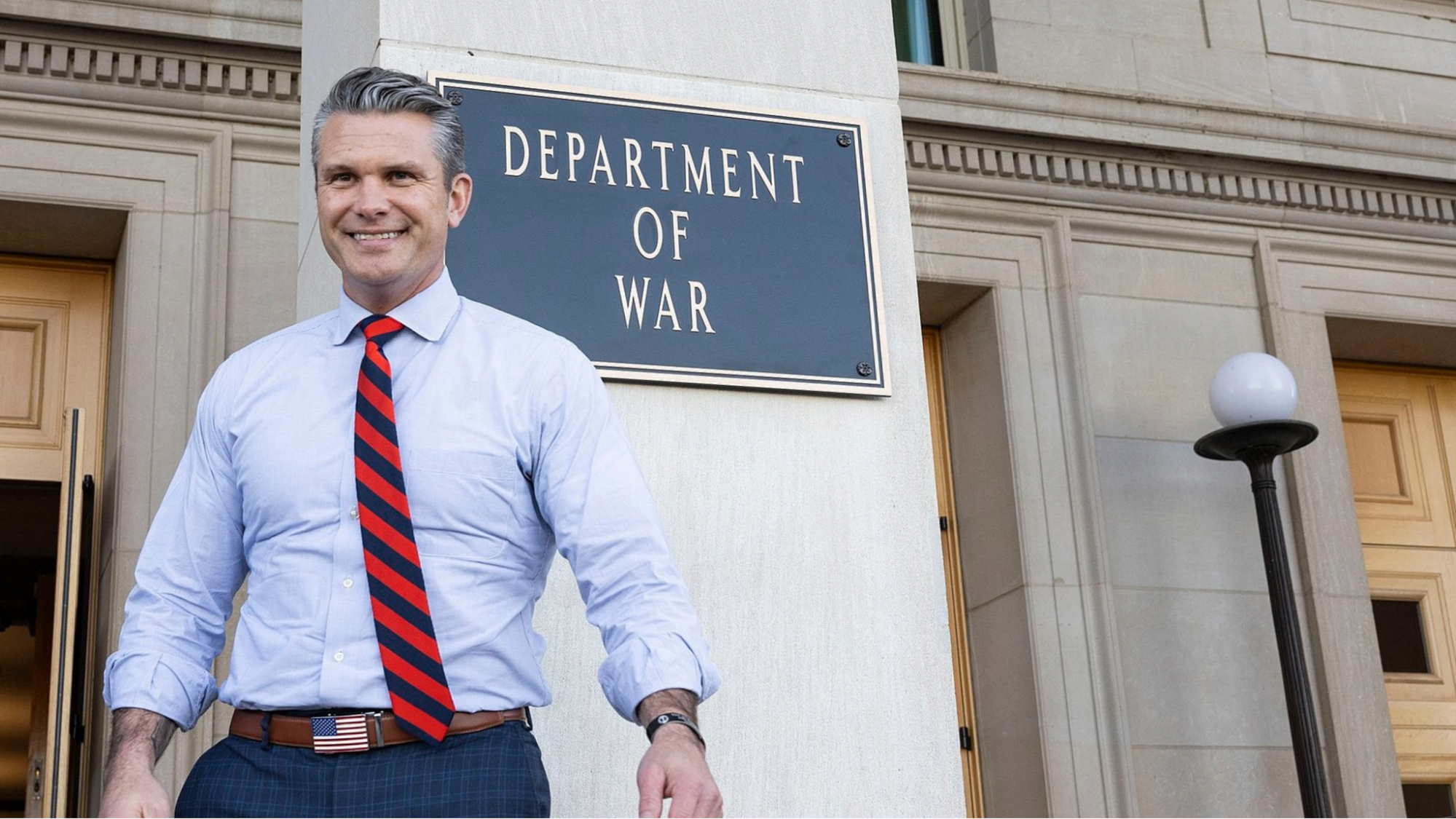
Separated service members are starting to receive communications from DFAS, accompanied by a letter from Secretary Hegseth, announcing possible cancellation of their debt, forgiveness of bonus recoupment, and in some cases a payment. That is a real win. But if you were discharged over the COVID-19 vaccine mandate, that letter covers only one slice of what you are owed – and how you respond to it can affect the rest of your claim.
What DFAS Is Sending
In December 2025, the Secretary of War announced that the Department would stop pursuing debts and bonus recoupments against service members who were separated for refusing the COVID-19 vaccine. DFAS has now begun notifying affected individuals directly. Depending on your situation, the notice may describe cancellation of an outstanding debt, forgiveness of a bonus that was clawed back, or a payment to return money that was already collected.
For many of the people receiving these notices, that collection activity has been hanging over them for years – garnishments, offset tax refunds, and letters from debt collectors over money the government took after it pushed them out. Seeing it stop is meaningful, and we are glad it is happening.
How We Got Here
The announcement did not come out of nowhere. On December 4, 2025, Military Back Pay attorneys Brandon Johnson, Andy Meyer, and Dale Saran, met with senior Department leadership at the Pentagon. In that meeting we raised, directly and bluntly, the fact that DFAS was still collecting against our clients even though the Department had already acknowledged that these discharges were unjust. We followed up with senior military stakeholders in writing afterward. The Secretary’s announcement came shortly after.
We take no credit for the Department doing the right thing, but we do think the pressure mattered – and we intend to keep applying it.
Why You Should Read the Letter Carefully
If you were discharged over the mandate, a healthy dose of caution is warranted. The DFAS letter is not a trap. But it is not the full picture either, and there are pitfalls for anyone who treats it as a final resolution.
Here is the key point: if the government took money from you over COVID-19, you almost certainly have a larger claim. The debt or recoupment only exists because you were removed from a contract before you could finish it. The same early separation that created the debt also cost you base pay, allowances, special and incentive pay, retirement credit, and more for the remainder of the time you would have served. The DFAS letter addresses the debt. It says nothing about everything else.
In most cases, the debt cancellation is the smaller piece of the overall claim value. The Department’s accountants would be perfectly happy if you accepted the smaller piece and forgot about the rest.
The Tax Problem Nobody at DFAS Will Help You With
Any time a past debt is cancelled, or money is paid to you, there are possible-to-very-likely tax consequences. Forgiven debt is frequently treated as income to the person who owed it. How much you owe the IRS, and when, depends on how the forgiven amount is classified, how it is allocated, when it is paid, and where it comes from.
The Department will not help you sort that out. It has also made clear it will not reconcile these matters comprehensively. If you accept a piecemeal payment now and pursue the rest of your claim later, you bear whatever tax or accounting consequences fall out of the difference in timing, amounts, and reconciliation.
Our Strategy: All of It, All at Once
Our approach in Bassen, Konie, and Harkins in the U.S. Court of Federal Claims is to demand full resolution in a single final judgment – the recoupment, the debt cancellation, and the rest of your back pay claim, together. One resolution, properly accounted for, creates the most value for our clients and avoids the unfair tax exposure that comes with scattered partial payments.
If you have already accepted a DFAS payment, that is not fatal to your claim. But you should assume the government will credit that payment against the total you are owed, and you should tell us about it so we can account for it properly in the litigation.
Common Questions
Does accepting this payment, or signing a generic waiver, give up my full claim? We do not believe so. However, we have already seen DFAS and the Department attach a waiver of claims or waiver of rights to a contingent payment on multiple occasions. If you receive anything with waiver language, do not sign it without talking to us first.
If I am an MBP client and I accept a payment outside the litigation, does that affect whether the government has to pay my legal fees? We believe it should not, but we cannot be certain. What we can say with confidence is that the government will try to use any payment made outside the Court of Federal Claims to reduce what it pays in attorneys’ fees at the end – arguing that the DFAS payment and the court claim are completely unrelated.
Can taking a payment now hurt my claim later? It can. Think of the old warning from every police drama: anything you say can and will be used against you in a court of law. Here the version is: anything you get paid can and will be used against you in a court of law. That is not a reason to refuse relief – it is a reason to make sure every dollar is run through the litigation and accounted for.
What to Do If You Receive a DFAS Notice
If you are a Military Back Pay client, we recommend replying to DFAS along these lines:
“Thank you for your message. I am currently a client of Military Back Pay PLLC. My attorneys are Brandon Johnson, Andy Meyer, and Dale Saran, and I am a plaintiff in [Bassen / Konie / Harkins] v. United States in the U.S. Court of Federal Claims. I would like DFAS to stop collecting against me, and I would like the Court to review my entire claim to ensure everything is correct and finalized. Please direct all communications regarding my claim to my attorneys at [MBP phone] and [attorney email].”
Then forward the DFAS communication to us. We need to see it so we can respond to any waiver language and make sure any payment is properly reflected in your total claim.
If you are not yet a client, do the following before you respond to DFAS:
- Do not sign any waiver or release without having it reviewed
- Keep every letter, email, and notice you receive, including envelopes and dates
- Make a record of any money that has already been collected from you and when
- Contact us so we can evaluate the rest of your claim before the piecemeal payment becomes the only thing on the table
Take the First Step Today
The DFAS letter is a sign that the Department is finally acknowledging the harm it caused. Take the win – and then make sure it is not the only one you get. The debt cancellation is one piece of a much larger claim, and you are entitled to pursue all of it.
Sign up today at militarybackpay.com/opt-in/
There is no upfront cost to get started, and no obligation to return to service.
Military Backpay, PLLC represents current and former service members in claims for back pay, records corrections, and related relief. This post is for informational purposes only and does not constitute legal or tax advice. Visit militarybackpay.com to learn more.